What It Is
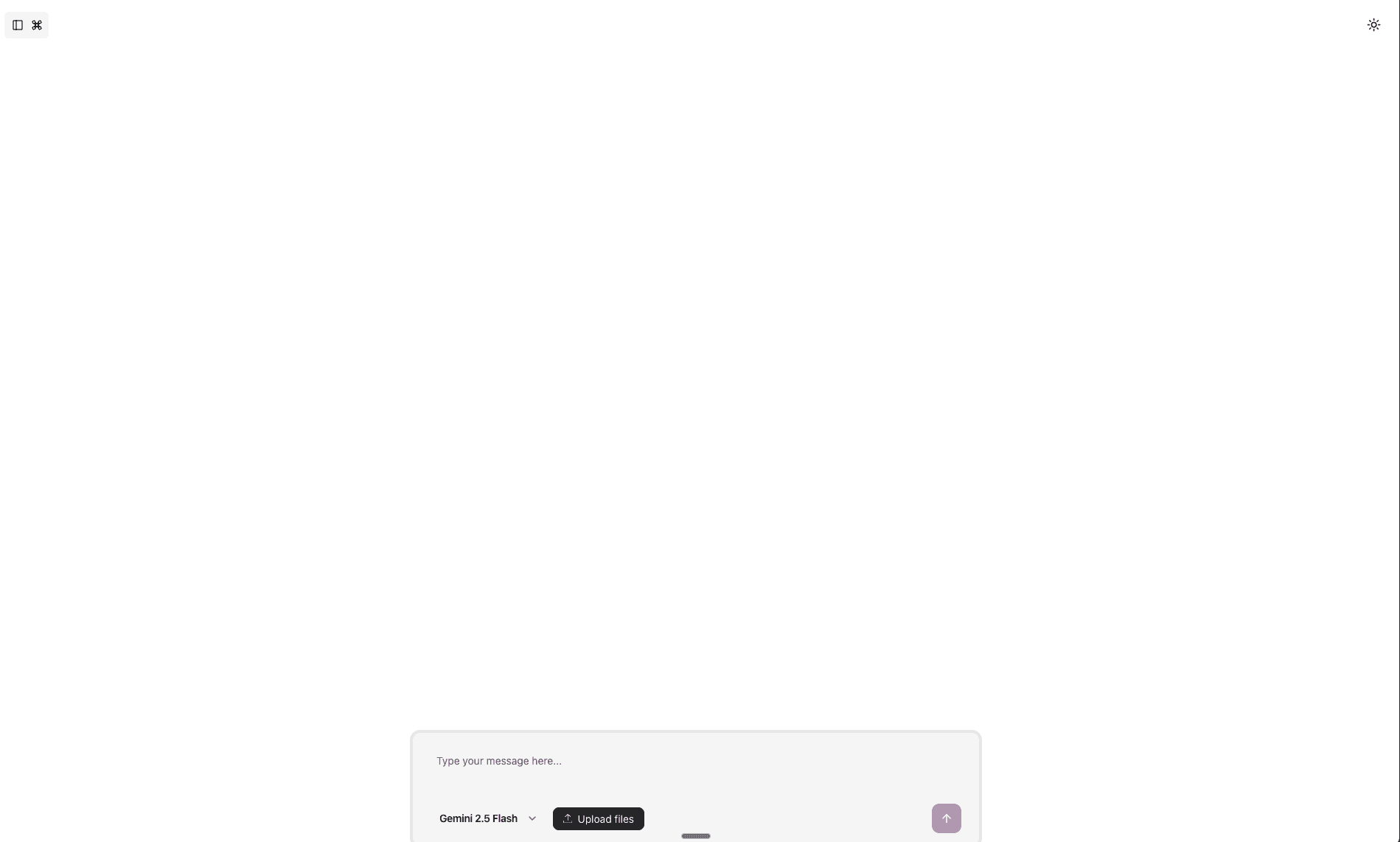
Dves is a modern AI chat app built as a hackathon submission inspired by Theo's T3Chat. It is not presented like a rough prototype; the repo shows a serious attempt to build a chat product that feels fast, practical, and pleasant to use in everyday workflows.
The most impressive part is the build speed behind it. According to the project context, this version was put together in five days, which makes the overall feature depth and polish stand out even more as a portfolio project.
What It Does
- Lets users chat with different AI providers from one interface.
- Streams responses live instead of waiting for full completions.
- Supports conversation branching, pinned chats, chat history, and message controls.
- Includes file upload flows and richer message rendering for a more capable chat experience.
- Exposes user settings for models, providers, and API-key-based workflows.
How It Is Built
The repo is built on Next.js 15, React 19, and TypeScript, with the interface layer styled through Tailwind CSS. For the AI layer, it uses the Vercel AI SDK together with provider integrations for OpenAI, Google Gemini, and OpenRouter.
For product infrastructure, the codebase uses Clerk for authentication and Convex for backend and realtime data handling. It also includes Hono and jstack in the stack, which fits the broader architecture style used across some of your other projects.
Product And UX Structure
From the repository structure and README, Dves is clearly designed around the feeling of a full chat product rather than a single demo prompt box.
The app includes:
- a chat surface with streaming responses
- sidebar and history patterns for returning to previous conversations
- branching and pinned-chat workflows
- settings and model/provider switching
- richer message utilities and controls
- upload support for broader prompt workflows
That combination matters because it shows product thinking, not just API integration. The repo is trying to solve how an AI chat app should actually feel in daily use.
AI And Realtime Layer
One of the stronger technical signals in Dves is the combination of multiple model providers with a realtime backend. That makes it easier to support fast updates in the interface while keeping the app open to different model choices instead of locking the product to one provider.
The stack also suggests a practical user-facing balance:
- Vercel AI SDK for streaming and provider abstraction
- Convex for synced backend state and realtime flows
- Clerk for a smoother signed-in product layer
- provider support across OpenAI, Gemini, and OpenRouter
So even though the project came out of a hackathon context, it is built in a way that could keep growing after the event.
Why It Stands Out
Dves stands out because it captures a hard combination well:
- hackathon speed
- polished interface work
- multi-provider AI integration
- product-style chat workflows
- real deployment on a custom domain
It also tells a strong story in a portfolio because the project was built as a submission inspired by an existing well-known AI chat product, then turned into something that still feels distinctly crafted and personal.
Deployment
The live project is available at www.dves.space.
As verified on April 19, 2026, dves.space redirects to www.dves.space, and the live domain responds through Vercel. That lines up with the repo feeling like a real public deployment rather than just a local hackathon code dump.